by Ken Voelker | Oct 5, 2026 | Uncategorized
Real estate marketing is about more than posting property photos or creating occasional social media updates. Buyers often research locations, property types, prices, financing options, and market conditions before they are ready to make contact.
A well-planned real estate marketing strategy can help provide useful information throughout that process. Consistent content, an informative website, social media activity, and clear property information can work together to create a stronger online presence.
The goal is not simply to generate attention. It is to provide information that helps potential buyers understand the market and know where to turn when they are ready to take the next step.
Create Content That Answers Real Questions
Useful content can make a real estate website more valuable to visitors. Instead of focusing only on listings, consider topics that address questions buyers and sellers commonly have.
Articles about home buying, mortgage considerations, property preparation, market conditions, home maintenance, and local housing trends can attract people at different stages of their real estate journey.
Educational content can also support search visibility because people frequently use search engines to research real estate questions before contacting a professional.
Use Multiple Channels Consistently
A website can serve as the central source for detailed information, while social media can help distribute that content to a wider audience.
For example, you can publish a market article on your website and adapt it into social media content that encourages readers to explore the full article. Property updates, home tips, neighborhood information, and market insights can also be shared across appropriate platforms.
Consistency matters because an inactive or incomplete online presence may make it harder for potential clients to find current information.
Focus on Clear and Useful Information
Effective marketing does not require every piece of content to be highly promotional. In many cases, useful information can create stronger engagement than repeated sales messages.
Property descriptions should clearly explain relevant features. Blog posts should answer real questions. Social media captions should provide enough context to encourage further reading.
Clear information can also help set realistic expectations about pricing, market conditions, financing, and the buying or selling process.
Review Performance and Adjust the Strategy
A marketing strategy should evolve as audience behavior changes. Website traffic, search performance, social engagement, and inquiries can show which topics are getting attention.
If buyers frequently engage with content about mortgage costs, for example, future content can explore related affordability topics. If local market articles generate interest, additional market-focused content may be useful.
A thoughtful strategy combines consistency with ongoing review.
Build Long-Term Visibility
Real estate decisions can take time, so marketing should not focus only on immediate leads. A collection of useful website content can continue attracting visitors through search and social media over time.
A strong real estate marketing strategy combines useful information, consistent communication, clear branding, and an understanding of what potential clients need during their property journey. When these elements work together, a real estate website can become a helpful resource rather than simply an online listing destination.
by Ken Voelker | Sep 29, 2026 | Uncategorized
A home can look perfect during a showing while hiding costly problems behind the walls, under the roof, or around the foundation. Fresh paint and beautiful staging can create a great first impression, but a professional home inspection can reveal important details about the property’s condition.
Not every inspection finding is a reason to walk away. Most homes have some maintenance needs. The key is understanding which issues may require further investigation before you move forward.
1. Water Damage and Moisture
Look for water stains, musty odors, peeling paint, damp basements, or signs of moisture around windows and sinks. A small stain may be from an old repair, but active moisture should be investigated to identify and correct the source.
2. Foundation Concerns
Small cracks can be common, but large or widening cracks, noticeably uneven floors, bowing walls, or doors and windows that no longer fit properly may deserve additional evaluation by a qualified professional.
3. Roof Problems
Missing shingles, damaged flashing, water stains, sagging areas, or an aging roof can lead to significant future expenses. Ask about the roof’s approximate age, condition, and repair history.
4. Electrical Issues
Frequent breaker trips, damaged outlets, exposed wiring, flickering lights, or signs of overheating should not be ignored. When an inspector recommends further evaluation, a licensed electrician can help determine the extent of the issue.
5. Plumbing Problems
Leaks, low water pressure, slow drains, damaged pipes, or an aging water heater can signal repairs that may become expensive if left unaddressed.
6. Heating and Cooling Systems
Older HVAC equipment isn’t automatically a problem, but buyers should understand its condition, maintenance history, and potential replacement timeline before purchasing.
7. Mold, Pests, and Other Warning Signs
Mold-like growth, persistent moisture, termite damage, or strong unexplained odors can warrant additional investigation. Identifying the underlying cause is more important than simply addressing what is visible.
Don’t Skip the Follow-Up
If an inspector recommends additional evaluation, consider bringing in the appropriate specialist, such as a structural engineer, electrician, plumber, roofer, or pest professional. A little extra investigation can provide valuable information before closing.
The Bottom Line
A home inspection isn’t about finding a perfect house. It’s about understanding the home you’re buying. Knowing which issues need attention can help you budget for repairs, negotiate where appropriate, and make a more informed decision.
Thinking about buying a home? Contact me to discuss what to look for during the home-buying process and how to approach inspection findings with confidence.
by Ken Voelker | Sep 29, 2026 | Uncategorized
There is something special about coming home on a crisp fall evening to a space that feels warm, comfortable, and inviting. As the seasons change, you don’t need a major makeover or a house full of decorations to create that cozy feeling.
A few thoughtful updates to your lighting, textures, colors, and furniture arrangement can make your home feel refreshed for fall while keeping it clean and spacious. Whether you’re staying in your home for the season or preparing to sell, these eight simple ideas can help.
1. Clear the Clutter First
Before adding fall décor, remove items you no longer need. Store summer accessories, clear countertops, and remove furniture or decorations that make rooms feel crowded. Think of seasonal decorating as a swap rather than an addition.
2. Add Cozy Textures
Bring warmth into your rooms with soft and inviting textures. Try a knitted throw, woven basket, textured rug, or a couple of comfortable pillows. A few carefully chosen pieces can make a big difference.
3. Add Warm Fall Colors
You don’t need to repaint your home to create a fall feel. Introduce small touches of rust, olive green, camel, burgundy, terracotta, or warm beige through pillows, blankets, artwork, or table linens.
4. Layer Your Lighting
As the days get shorter, lighting becomes even more important. Add a floor lamp, table lamp, or accent light to darker areas. Warm, layered lighting can make living spaces feel comfortable and welcoming.
5. Bring in Natural Elements
Simple natural décor can add seasonal character without overwhelming a room. Try branches, greenery, pinecones, apples, pears, or dried flowers in a simple vase or bowl.
6. Rethink Furniture Placement
Sometimes a room feels cozier simply because the furniture works better. Keep walkways open and arrange seating to encourage conversation. Removing one unnecessary piece can make a room feel surprisingly spacious.
7. Keep Seasonal Décor Simple
Choose one main fall focal point for each room instead of decorating every surface. A wreath in the entryway, a simple centerpiece in the dining room, or a warm throw in the bedroom may be all you need.
8. Keep Selling in Mind
If you’re preparing to sell your home, less is often more. Keep seasonal decorations tasteful and make sure they don’t hide important features such as windows, fireplaces, countertops, or room dimensions.
A Cozy Home Starts With Simple Changes
Creating a welcoming fall home doesn’t require a large budget or a complete redesign. A little decluttering, warmer lighting, comfortable textures, and a few seasonal accents can make your home feel ready for the season.
Whether you’re staying put or thinking about a move this fall, small changes can help you enjoy your home even more.
by Ken Voelker | Sep 29, 2026 | Uncategorized
Mortgage rates near 7% can make buying a home feel very different from the low-rate environment of recent years. But higher rates do not necessarily mean buyers should step away from the market.
With borrowing costs higher and more homes available in many markets, buyers can focus on strategies that make a purchase more manageable.
Focus on the Monthly Payment
Instead of starting with the maximum price a lender approves, consider the monthly payment that comfortably fits your budget. Remember to account for property taxes, insurance, HOA fees, maintenance, and other homeownership costs.
Compare Mortgage Options
Shopping with multiple lenders can help you compare interest rates, fees, points, and loan terms. If you’re considering discount points to lower your rate, calculate how long it would take for the monthly savings to offset the upfront cost.
Look for Negotiating Opportunities
More inventory can give buyers additional options and, in some markets, more room to negotiate. Depending on the property and seller, buyers may be able to discuss a lower price, closing-cost contributions, repair credits, or other concessions.
Protect Your Savings
A larger down payment can reduce your loan balance, but it also means using more of your available cash. Keeping an emergency reserve for moving expenses, repairs, and unexpected costs can be an important part of preparing for homeownership.
Buy Based on Today’s Numbers
It can be tempting to assume you’ll refinance when rates fall. However, future rates cannot be guaranteed. Make sure the home and mortgage payment work for your budget today. A future refinancing opportunity can be considered a bonus.
Take a Strategic Approach
Today’s market requires buyers to look beyond the mortgage rate alone. Price, financing, property condition, taxes, insurance, and negotiating opportunities all play a role.
If you’re considering buying this fall, getting prepared early can help you understand your options and make decisions with greater confidence.
by Ken Voelker | Sep 29, 2026 | Uncategorized
October is the perfect time to enjoy warm, comforting meals made with seasonal ingredients. This creamy roasted butternut squash and apple soup brings together the natural sweetness of squash and apples with savory herbs and spices for an easy fall favorite.
Simple Fall Flavors
Roasting the squash, apples, and onion first helps bring out their natural flavors and gives the soup a richer taste. Thyme, cinnamon, nutmeg, and garlic add just the right amount of warmth.
For a sweeter flavor, try Honeycrisp, Fuji, or Gala apples. If you prefer something slightly tart, Granny Smith or Pink Lady work well.
How to Make It
Roast cubed butternut squash, chopped apples, and onion with olive oil, salt, pepper, cinnamon, nutmeg, and thyme at 425°F for 30 to 35 minutes. Add minced garlic during the final few minutes.
Transfer the roasted ingredients to a pot, add about four cups of chicken or vegetable broth, and simmer for 10 minutes. Blend until smooth, then stir in heavy cream, half-and-half, or unsweetened coconut milk.
Adjust the seasoning to taste and add a little extra broth if the soup is too thick.
Easy Ways to Serve It
Serve this soup with crusty bread, a simple green salad, grilled cheese, or roasted vegetables. Pumpkin seeds, fresh thyme, chopped pecans, or a swirl of cream make simple and flavorful garnishes.
The recipe can also be made vegetarian or vegan by using vegetable broth and a plant-based cream alternative.
A Cozy October Meal
This soup is easy to prepare ahead and makes a comforting lunch or dinner on a cool fall day. It also freezes well, making it a convenient option for busy evenings.
October is a wonderful time to enjoy the comfort of home, and a warm homemade meal is one simple way to make the season feel special.
If you’re thinking about a move this fall, consider what you want your next home to offer, from a more functional kitchen to additional space for family and entertaining. Sometimes the right move begins with a simple conversation about how you want to live.

by Ken Voelker | Sep 28, 2026 | Residential | Active
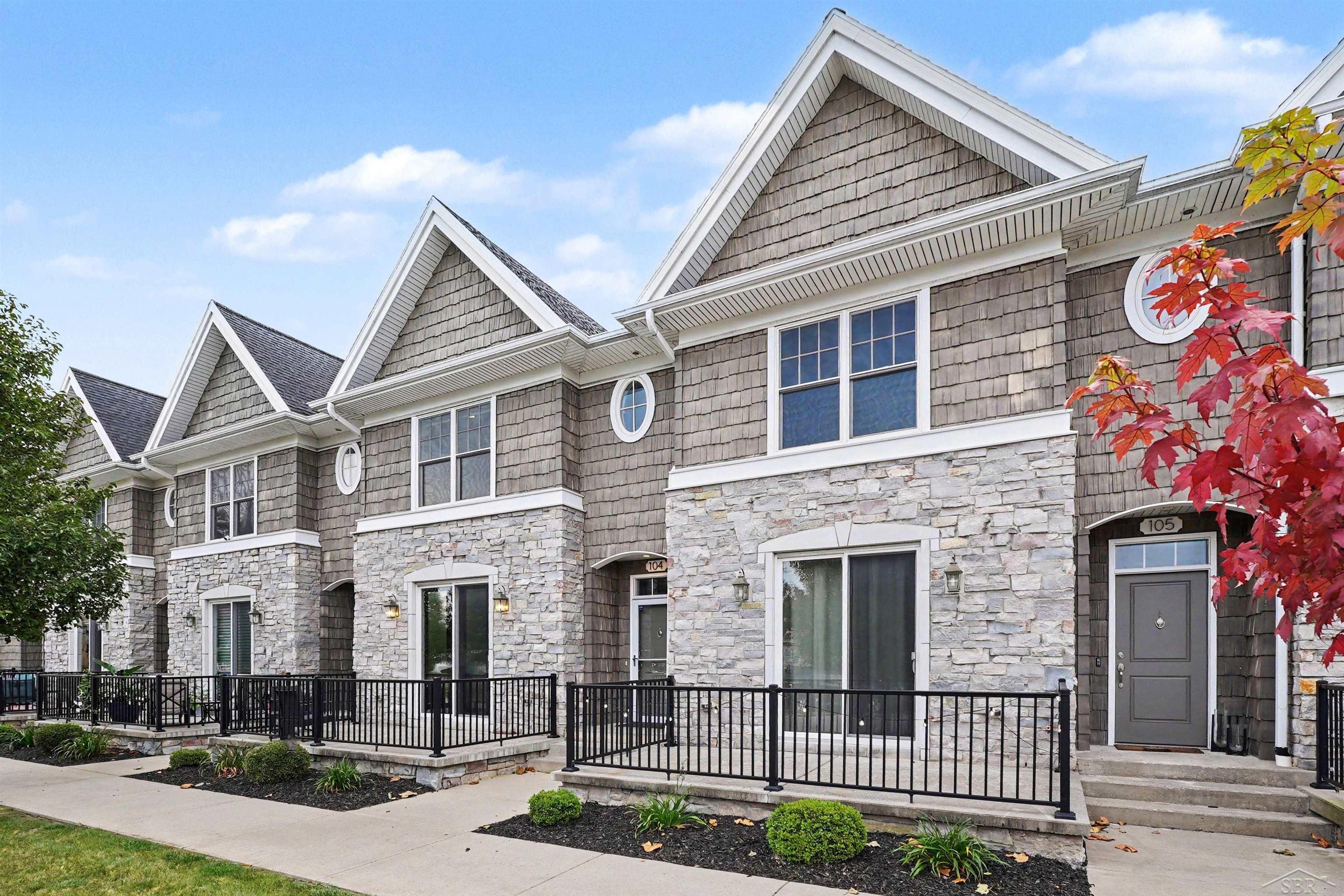
$289,900
Active
Experience the charm and convenience of Old Town living at Riverview Brownstones on Hamilton! Located in a private, gated condominium community along the Saginaw River, this beautifully maintained, 2016-built brownstone offers 1,784 square feet of thoughtfully designed living space. Enjoy the character of historic Old Town and its growing collection of restaurants, bakeries, delis, pubs, and shops, along with convenient access to the Riverwalk, Ojibway Island, the YMCA, and nearby tennis and pickleball courts. The main level features hardwood floors, a welcoming living room with an electric fireplace and access to a private patio, and a well-appointed kitchen with granite countertops, bar seating, and a spacious 7 x 4 pantry. A guest lavatory and first-floor laundry add everyday convenience. Upstairs, the primary suite features a tiled shower, dual vanities, heated bathroom floors, and a large walk-in closet. The second bedroom offers ample space and its own walk-in closet. A versatile sitting room loft provides additional living space for a home office, reading area, or quiet retreat, with direct access to an exterior balcony—an ideal spot to enjoy Saginaw’s Fourth of July fireworks! Additional features include central air conditioning, an attached two-car garage, and included appliances. Located within Saginaw’s Renaissance Zone, offering substantial tax benefits scheduled to phase out beginning in 2027 and expire at the end of 2029. Buyers to verify eligibility and applicable benefits with the City of Saginaw. Enjoy riverfront surroundings, the energy of Old Town, and the convenience of condominium living—all within a private, gated community!

by Ken Voelker | Jul 22, 2026 | Residential | Closed

$415,000
Closed
Don’t miss this unique opportunity to own a never-lived-in home, thoughtfully completed in 2025. Originally started in 2015 by the builder for personal use, this home reflects careful planning, quality materials, and attention to detail throughout. This spacious home features 3 bedrooms, 2.5 bathrooms, and a highly desirable main floor laundry. The open layout offers comfortable living and entertaining space, while the full basement with garden windows provides endless potential for future finishing or storage. Car enthusiasts and hobbyists will appreciate the oversized 3-car garage with ramped entrance, and buyers will love the high-quality finishes and products used throughout the home. A rare chance to own a truly “new” home with a story—schedule your showing today!
Listed by RE/MAX New Image

by Ken Voelker | Jun 19, 2026 | Residential | Closed
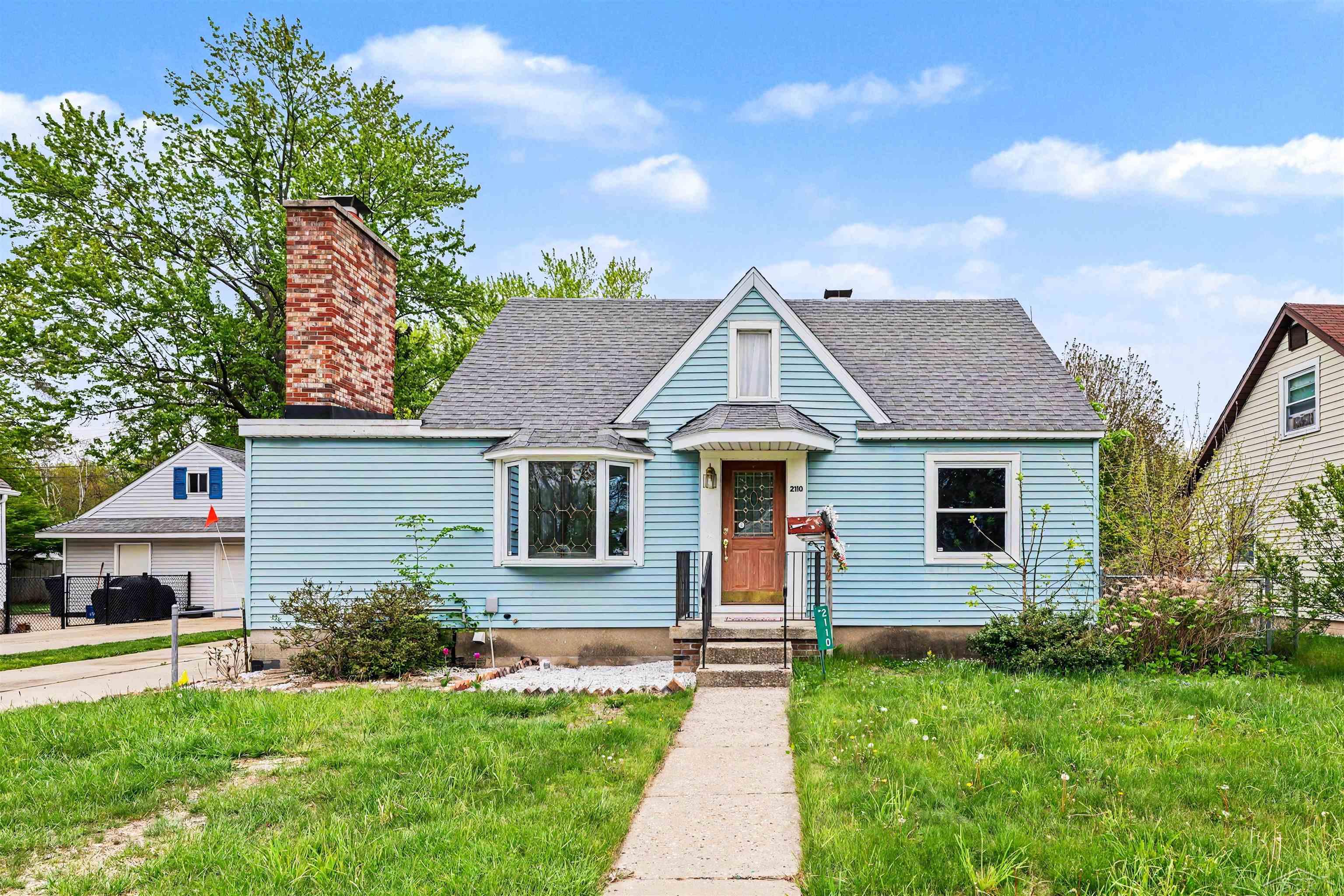
$173,500
Closed
Spacious 1.5-story bungalow offering character, warmth, and flexible living space on a quiet neighborhood street that was repaved in recent years. The main floor features a large rear room currently used by the sellers as a primary bedroom with a separate entry, bay window, wood-hewn beams, barn siding wainscoting, and a brick hearth ready for a stove or wood-burning device with chimney access already in place. With its size and character, this versatile space could also serve as a cozy family room, gathering area, recreation room, or additional flex space depending on your needs. Just outside is a sitting room/flex space with reconditioned wood flooring that is ideal for an office, reading area, hobby space, nursery, or dressing room. Reconditioned wood floors run through the living room, kitchen, sitting room, and additional main floor bedroom, while the rear room features carpet for added comfort. Upstairs offers a unique knotty pine retreat complete with built-in bed frames, dresser storage, cabinets, shelving, and newer carpet — creating a cabin-like atmosphere full of character and nostalgia. The sliding door leads to a covered porch with composite decking overlooking the fenced backyard, offering a comfortable space to relax, entertain, or enjoy quiet evenings outdoors. Outside you’ll also find a detached 2.5-car garage and a large storage shed for additional storage and workspace. Appliances included are the refrigerator, stove/range, portable dishwasher, washer, and dryer. The basement provides abundant storage space along with an exterior access door. Additional updates include a roof approximately 4 years old, carpet approximately 3 years old, and new kitchen cabinet hardware.

by Ken Voelker | Jun 11, 2026 | Residential | Pending
$179,900
Pending
Spacious 1.5-story bungalow offering character, warmth, and flexible living space on a quiet neighborhood street that was repaved in recent years. The main floor features a large rear room currently used by the sellers as a primary bedroom with a separate entry, bay window, wood-hewn beams, barn siding wainscoting, and a brick hearth ready for a stove or wood-burning device with chimney access already in place. With its size and character, this versatile space could also serve as a cozy family room, gathering area, recreation room, or additional flex space depending on your needs. Just outside is a sitting room/flex space with reconditioned wood flooring that is ideal for an office, reading area, hobby space, nursery, or dressing room. Reconditioned wood floors run through the living room, kitchen, sitting room, and additional main floor bedroom, while the rear room features carpet for added comfort. Upstairs offers a unique knotty pine retreat complete with built-in bed frames, dresser storage, cabinets, shelving, and newer carpet — creating a cabin-like atmosphere full of character and nostalgia. The sliding door leads to a covered porch with composite decking overlooking the fenced backyard, offering a comfortable space to relax, entertain, or enjoy quiet evenings outdoors. Outside you’ll also find a detached 2.5-car garage and a large storage shed for additional storage and workspace. Appliances included are the refrigerator, stove/range, portable dishwasher, washer, and dryer. The basement provides abundant storage space along with an exterior access door. Additional updates include a roof approximately 4 years old, carpet approximately 3 years old, and new kitchen cabinet hardware.

by Ken Voelker | Apr 20, 2026 | Home Prices
Understanding the value of your home is crucial, whether you’re buying, selling, refinancing, or just tracking your investment. While online estimates or neighborhood comparisons can provide a rough idea, knowing your home’s true market value is key for making informed decisions. Let’s explore why it matters and how to figure out your home’s worth.
Why Knowing Your Home’s Value Matters
1. Set the Right Price When Selling
Pricing your home correctly is critical when selling. If it’s too high, buyers may be turned off; too low, and you might lose money. Knowing your home’s value ensures you set a competitive and fair price.
2. Refinancing Your Mortgage
Lenders need an accurate appraisal of your home’s value when refinancing. Knowing your home’s worth can help you assess whether refinancing is a good option and how much equity you have.
3. Understand Home Equity
Home equity is the difference between your home’s market value and your mortgage balance. Understanding your home’s value helps you know how much equity you’ve built, which can be useful for home equity loans or lines of credit.
4. Property Tax Assessments
Property taxes are based on your home’s assessed value. Knowing your home’s true market value helps you contest overvalued tax assessments and potentially lower your taxes.
5. Insurance Needs
Accurate knowledge of your home’s value ensures you have the right amount of homeowners insurance. Over or under-insuring can lead to higher premiums or insufficient coverage.
How to Determine Your Home’s Value
There are several ways to determine your home’s worth:
1. Online Estimators
Websites like Zillow, Redfin, and Realtor.com use algorithms to estimate your home’s value based on recent sales. While convenient, these estimates may not consider unique home features or recent updates.
2. Comparative Market Analysis (CMA)
A CMA from a local real estate agent compares your home to similar properties that recently sold. This provides a more accurate estimate, considering local market conditions.
3. Professional Appraisal
A professional appraiser evaluates your home’s condition, location, and market factors to provide an accurate valuation. This is the most reliable option, often required for refinancing or loans.
4. Agent’s Opinion
Real estate agents can provide an estimate based on their local knowledge and experience. Many agents offer free home evaluations, especially if you’re thinking of selling.
Key Factors That Affect Home Value
- Location: Proximity to schools, transportation, and amenities boosts value.
- Size and Layout: Larger homes or homes with more functional space are typically valued higher.
- Condition and Age: Well-maintained, updated homes tend to be worth more.
- Market Conditions: A seller’s market typically drives up home prices, while a buyer’s market may lower them.
- Upgrades: Renovations, like updated kitchens or energy-efficient appliances, can increase home value.
How to Maximize Your Home’s Value
- Renovate key areas, such as kitchens or bathrooms.
- Boost curb appeal with landscaping or exterior repairs.
- Add square footage by finishing basements or attics.
- Update systems like HVAC or plumbing.
Conclusion
Knowing your home’s value is essential for making sound financial decisions, whether you’re selling, refinancing, or simply managing your property. By using online tools, getting a Comparative Market Analysis, or hiring a professional appraiser, you can accurately determine your home’s value.
Ready to discover how much your home is worth? Start with an online estimator or consult a local real estate agent today!
